
Everybody likes to talk about protein right now on the internet.
But have you seen all the headlines about the increasing rates of colorectal cancer in America?
I’m not here to fear-monger about cancer. But I do think there is a bigger conversation we need to have about fiber and how much of it we’re actually getting in our diets.
Something I’ve noticed from being on calls and working in this field for the past 2 1/2 years is that people genuinely don’t know where fiber comes from.
And honestly, I think it’s an education problem.
That’s something I want to help change.

“But I eat vegetables!”
I hear people say this all the time:
“I eat plenty of fiber. I eat salads.”
Or they’ll mention vegetables like lettuce, cucumbers, or tomatoes.
And while vegetables absolutely can be a source of fiber, here’s the thing: Not all fiber foods contain the same amount of fiber.
A salad could have very little fiber, or it could have a significant amount depending on what you put in it.
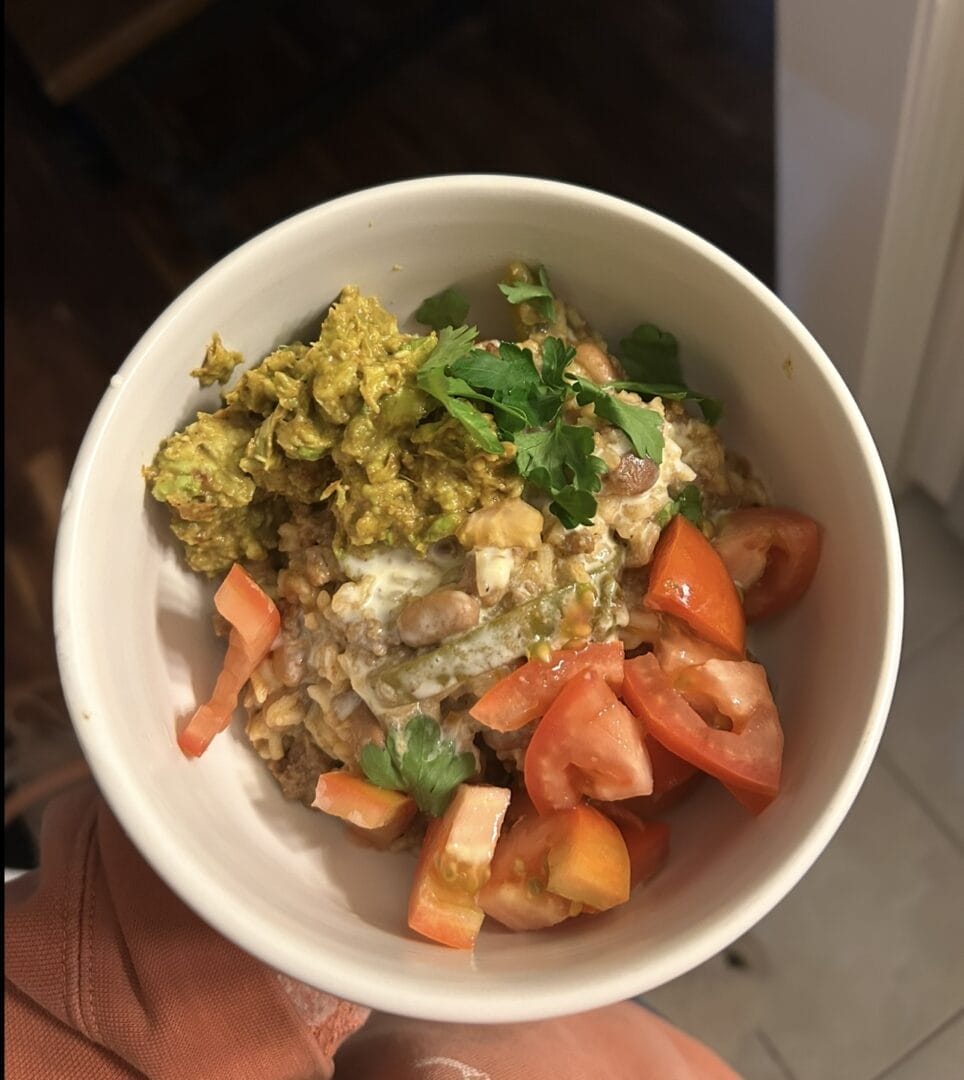
For example, a salad made mostly of iceberg lettuce, cucumber, and a few tomatoes is going to be very different nutritionally from a salad with spinach, chickpeas, black beans, avocado, pumpkin seeds, carrots, and berries.
Same word: “salad.”
Very different amount of fiber.
That’s one reason I think we need to get more specific when we talk about eating “healthy.”

The 5 Fiber Groups
There’s a gut dietitian whose information I really enjoy reading, and one thing she emphasizes is getting fiber from all five major food groups that provide fiber.
Those are:
● Beans and legumes
● Vegetables
● Fruit
● Nuts and seeds
● Whole grains and some starchy foods
And I think this is where we run into a problem.
A lot of people have been taught that avoiding carbohydrates is the secret to losing weight or being healthy.
Now, there are situations where reducing certain carbohydrates—especially highly refined or sugary carbohydrates—can be helpful for things like blood sugar management.
But when people hear “avoid carbs,” they can sometimes end up avoiding fiber-rich carbohydrate foods, too.
And that’s exactly why I want to talk about this.

Because beans, oats, berries, potatoes, whole grains, lentils, and many other foods that contain carbohydrates can also be excellent sources of fiber.
So, How Much Fiber Do We Actually Need?
Depending on your age and sex, general fiber recommendations are around 20–38 grams per day.
And yet, most Americans aren’t getting that much.
The World Cancer Research Fund recommends getting at least 30 grams of fiber per day from food.
Thirty grams can sound like a lot when you’re not used to thinking about fiber.
Heck, even my household doesn’t always get enough fiber!
It’s HARD.
And I think that’s important to acknowledge.
Eating enough fiber takes a little more intentionality. You have to know where it comes from, and sometimes you have to get creative.
But it is absolutely doable.
And we’re going to talk about how to do that later.
What Is Fiber, and Why Does It Matter?
So first, let’s talk about what fiber actually is.
There are two main types of dietary fiber that we commonly talk about: soluble fiber and insoluble fiber.
Insoluble Fiber
Insoluble fiber does not dissolve in water. It helps add bulk to your stool and can help keep things moving through your digestive system.
Some examples include:
● Wheat bran
● Whole-wheat foods
● Nuts
● Seeds
● Many vegetables, including cauliflower, green beans, and potatoes with the skin
Think of insoluble fiber as part of the structure that helps give your stool bulk.

Soluble Fiber
Soluble fiber dissolves in water and forms a gel-like substance.
It can help slow digestion and can also play a role in helping manage blood cholesterol and blood glucose levels.
Examples include:
● Oats
● Barley
● Beans
● Lentils
● Apples
● Citrus fruits
● Chia seeds
● Ground flaxseed
And here’s the cool part: many foods contain a combination of different types of fiber.
So you don’t necessarily need to sit around trying to figure out which food has which type of fiber every time you eat.
Instead, focus on eating a variety of fiber-rich foods.

Does Fiber Really “Sweep” the Colon?
You may have heard people describe fiber as “sweeping” the colon.
I actually think that’s a helpful visual—as long as we understand that it’s a metaphor.
Fiber adds bulk to stool and helps move material through the digestive tract. Adequate dietary fiber intake is also associated with better digestive health and is part of a dietary pattern associated with lower colorectal cancer risk.
And if you’re over 50, you’ve probably heard another word you don’t particularly want to hear at your next colonoscopy:
Polyps.
There are many factors involved in colorectal cancer risk, so fiber isn’t some magical guarantee that you’ll never develop colon cancer.
But diet is one piece of the bigger picture, and getting enough fiber is an important part of a healthy eating pattern.

Don’t Forget About Prebiotic Fiber
Another reason I love talking about fiber is because some types of fiber act as prebiotics. Prebiotics help provide food for beneficial bacteria in your gut microbiome. So when you’re eating certain fiber-rich foods, you’re not just feeding yourself. You’re also helping feed the microorganisms living in your digestive tract. Some examples of foods that contain prebiotic fibers include:
● Garlic
● Onions
● Leeks
● Asparagus
● Bananas
● Oats
● Beans and legumes
● Jerusalem artichokes
And this is one reason variety matters so much.
Different types of fiber can interact with your gut microbiome in different ways.

What About Resistant Starch?
Here’s another one that I think is really interesting: resistant starch.
Resistant starch is a type of carbohydrate that resists digestion in the small intestine. It can then reach the colon, where gut bacteria can ferment it.
One way resistant starch can increase is through cooking and then cooling certain starchy foods.
For example:
● Potatoes that have been cooked and cooled
● Rice that has been cooked and cooled
● Pasta that has been cooked and cooled
So yes…
It actually can be a good thing to eat leftovers!
Have you ever noticed that leftover spaghetti tastes a little different the next day?
Well, there are several reasons leftovers can taste different, but changes in starch structure after cooking and cooling are part of the reason the texture can change.
So your leftover rice and potatoes aren’t necessarily something you need to avoid.

Fiber Foods: What Does It Actually Look Like?
Okay, let’s make this practical.
Here are some examples of fiber-rich foods and approximately how much fiber they provide per typical serving:
Food Approximate Fiber
1 cup cooked lentils 15–16 g
1 cup cooked black beans 15 g
1 cup raspberries 8 g
1 medium pear with skin 5–6 g
1 medium apple with skin 4–5 g
½ cup avocado 5 g
½ cup cooked oatmeal 2–4 g
1 oz chia seeds 10 g
1 oz almonds 3–4 g
1 medium potato with skin 3–4 g
1 cup cooked broccoli 5 g
1 cup cooked brown rice 3–4 g
1 slice whole-wheat bread 2–4 g
Exact amounts vary by brand, preparation, and serving size, so check the nutrition label when you can.

And look at those numbers!
A bowl of lentils can have more fiber than an entire day of meals for someone who isn’t used to eating much fiber.
That’s why I don’t think the answer is simply:
“Eat more vegetables.”
We need to teach people which foods are actually high in fiber and how to combine them.
So How Do We Actually Get Enough Fiber?
This is where I personally like to think about those five fiber groups.
Instead of obsessing over hitting a specific number at every meal, I try to ask: How many different fiber groups can I get into this meal?
For example, let’s say you’re making breakfast.
Instead of just having eggs and bacon, you could add:
● Whole grain: oatmeal
● Fruit: blueberries or raspberries
● Seeds: chia or ground flax
● Nuts: walnuts or almonds
Now you’ve built several different fiber sources into one meal.
Or maybe lunch is a sandwich.
You could have:
● Whole-grain bread
● Turkey or chicken
● A big handful of spinach
● Tomato and cucumber
● Avocado
● An apple or pear on the side
Dinner could look like:
● Brown rice or a potato
● Chicken, fish, or another protein
● Roasted broccoli
● A side of black beans or lentils
● Fruit for dessert
And snacks count too!
You could have:
● Apple + peanut butter
● Greek yogurt + berries + chia seeds
● Carrots + hummus
● Trail mix with nuts and seeds
● Popcorn
● Pear + handful of almonds
The goal is not perfection but rather variety. As you think about adding more fiber to your diet, remember to do it slowly over time and up your water intake with it!
Protein gets a lot of attention right now, but fiber deserves a seat at the table, too.
If you’re ready to take the guesswork out of your health with personalized strength and nutrition assistance built entirely around you then click here, click the consultation button, and fill out the form.
We will reach out within 24 hours to schedule a phone consultation to discuss your goals and the details of the program!