
After 16 years of studying strength training and nutrition, I’m still changing my mind.
Most of what I’ve learned over the past 16 years is pretty set in stone; however, I’m always surprised when I learn something new that contradicts something I’ve believed for years.
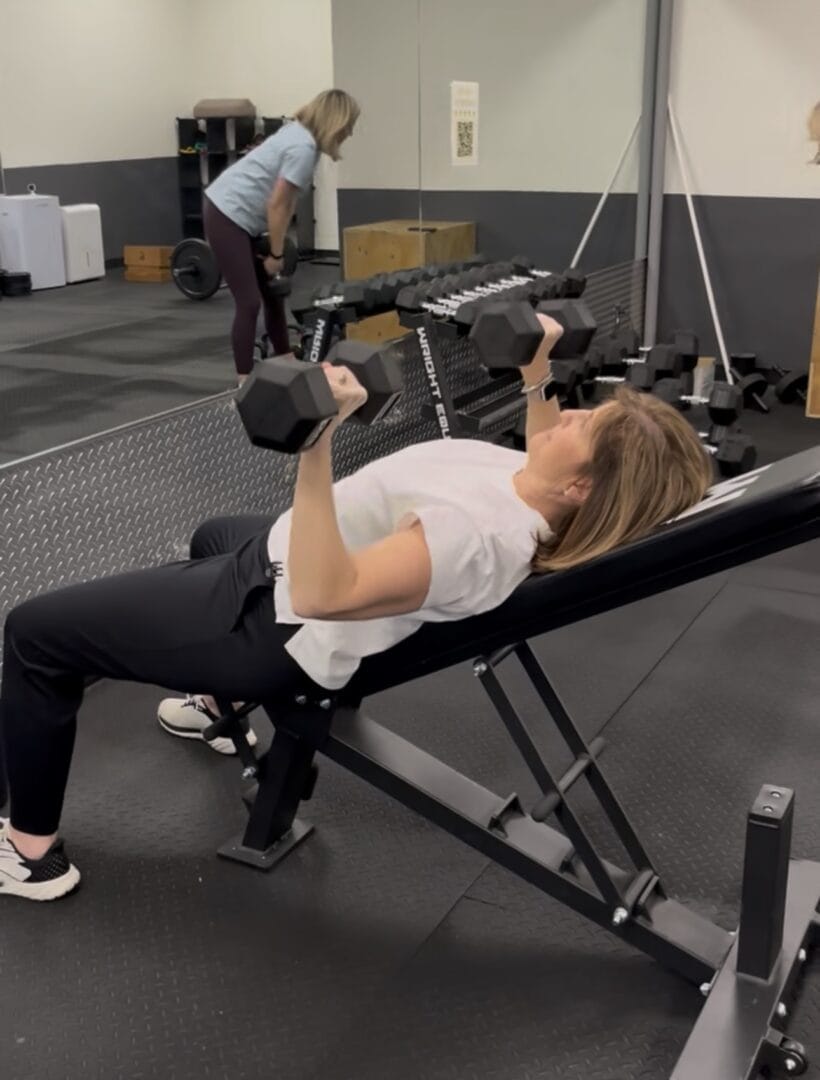
Two things I’ve had a pretty dramatic change in stance on are strength training and protein intake.
Specifically, how many sets you need to do to make great progress and how much protein you need to build/maintain muscle mass.
Let’s discuss each:

First, how many sets per week do you need to make great progress?
Before we discuss the number of sets, I just want to define what I mean by a “set.”
Warm-up sets are not included in this number.
One set, or one “working set,” is defined as a set with good form, done with a full range of motion, and taken very close to failure (leaving roughly one rep left in the tank).
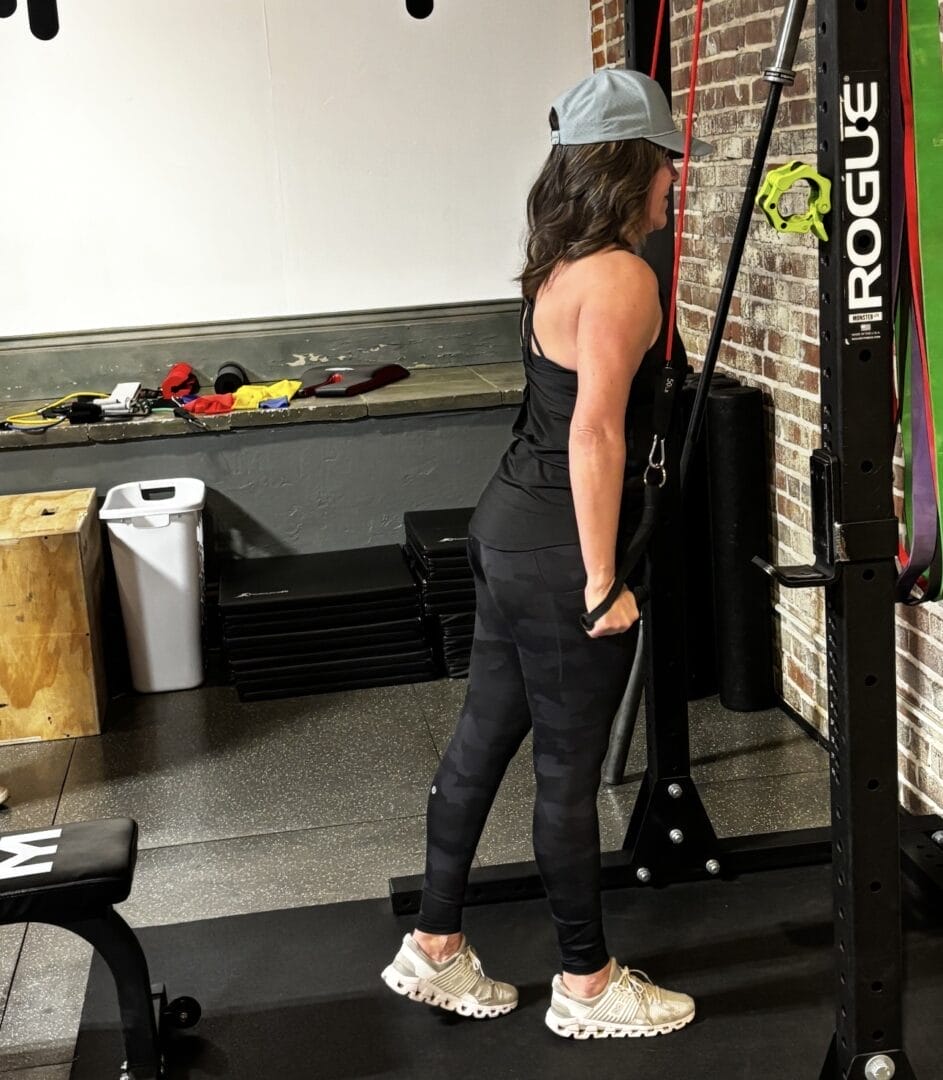
Now, when I first started my lifting journey and had no earthly idea what I was doing, the only information I had was from bodybuilding magazines, and per their recommendations I was doing 20 sets per muscle group. I made progress, but when you’re young and starting out on your fitness journey, you can pretty much do anything and make good progress.
But I quickly stopped making progress after my first year in the gym. That’s when I discovered Jim Wendler’s 5/3/1 program. I dropped down to doing roughly 8–12 sets per muscle group per week.
Over the years, I dropped that number down to 6–10 sets per muscle group per week. I would occasionally experiment with more sets, but every time my progress would stall and I’d start accumulating fatigue. It left me tired and weaker!
The 6–10 sets per muscle group worked really well (and still does), but in 2025 I was shocked to discover some new information.
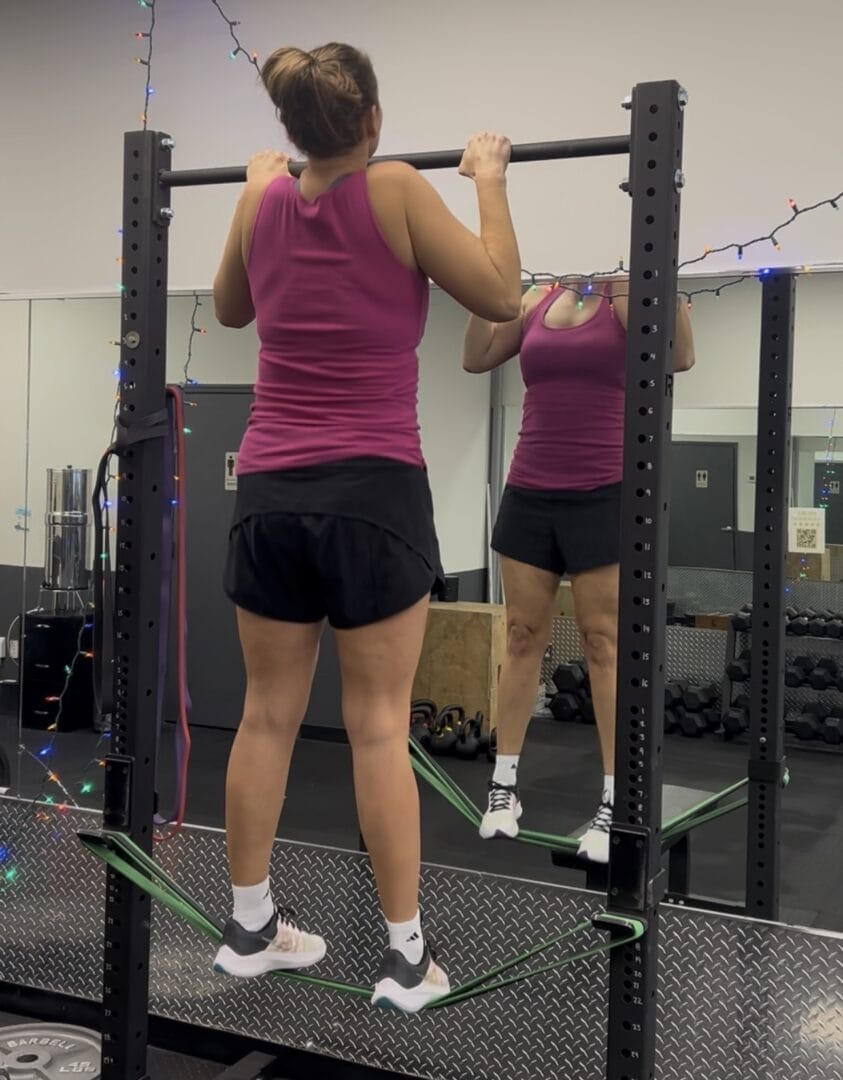
You can make progress with as little as one set per muscle group done twice per week (so two sets per week). Now, nobody is making the case that this is optimal or the fastest way to make progress, but it is a viable way to make progress.
I also learned that 2–3 sets per muscle group done twice per week (so 4–6 sets per muscle group per week) is enough to drive really great progress.
I started experimenting with these lower volumes with myself first, and I noticed progress started happening even faster with half the amount of work I was doing previously! On top of that, I just generally felt better—more energy, better recovery, etc.—because I wasn’t doing so much work in the gym.
Then I started experimenting with 2–3 sets per muscle group done twice per week with clients, and their results started coming faster! And they also felt better—more energy, etc.—because they were cutting their workload in almost half in the gym.
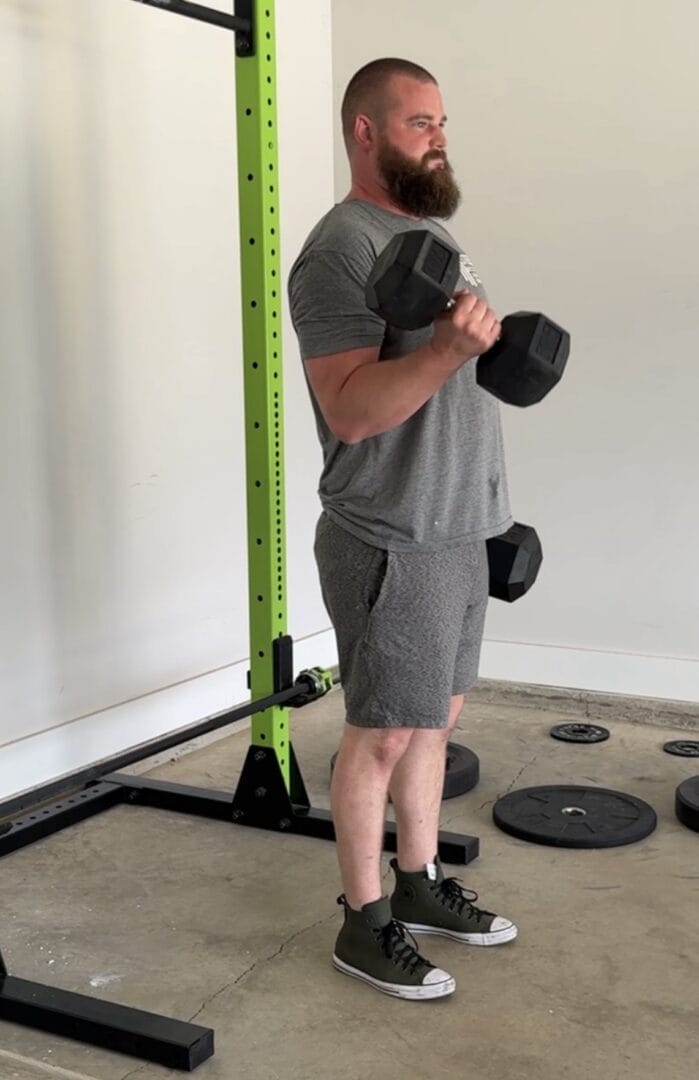
Moving forward, 2–3 sets per muscle group done twice per week is my go-to recommendation for most people. And on rare occasions, someone who is much older, dealing with chronic health issues, etc., I’ll have them do just one set per muscle group done twice per week, and the results are impressive!
For most everyday men and women, your recovery capacity isn’t the best. You’re not in your 20s anymore, you probably don’t sleep enough, and you’ve got a lot of responsibilities on your plate.
So when it comes to strength training—less is more!

There are still some instances where a total of 6–10 sets per muscle group per week can make sense, but for 95% of our clients at Steel (and myself), the extra work is unnecessary. And not only that, but in many cases it will actually slow progress.
When it comes to strength training, the key really is quality over quantity.
And that brings me to protein.
How Much Protein Do You Need to Build/Maintain Muscle?
There’s no doubt protein is super important for health and building/maintaining muscle mass. BUT I think the amount of protein people are told to eat has been way overblown by the fitness industry.
Protein IS the building block of muscle, but the muscle-building process is extremely slow. You don’t need an absurd amount of protein to build muscle.

The other thing I’ve realized is that while I’ve known strength training is the #1 driver of building and keeping muscle mass, I thought protein intake played a bigger role than it really does in building/keeping that muscle.
At this point, I think training properly is 80–90% of the equation. Even if you have a low protein intake (not what I’m recommending here—just making my point), you’ll still make excellent progress if your training is dialed in.
That being said, you should totally aim to get plenty of protein. But I think the all-too-common 1 gram per pound of bodyweight recommendation is overkill in almost all cases.
If you’re an everyday man or woman wanting to look and feel your best, aim for 0.6 to 0.8 grams per pound of your target weight.

So figure out what you want to weigh, then multiply that goal weight by 0.6 and 0.8.
Goal weight = 200 pounds × 0.6 and 200 × 0.8 = 120g to 160g per day
Goal weight = 150 pounds × 0.6 and 150 × 0.8 = 90g to 120g per day
Eating a more moderate amount of protein (like the recommendations above) lets you eat even more carbs and fats, and in my experience this tends to leave my clients with more energy than when they were trying to get 1 gram of protein per pound of bodyweight. Since dropping my own intake and recommending my clients do the same, I’ve seen zero negative effects on their progress.
Plus, it saves money on the grocery bill!

If you’re ready to start strength training and eating well so you can get lean, strong, and healthy, then join my 12-week program today!
